
Dear fellow researchers,
As spring gives way to the first days of summer and the excitement for the upcoming SFRR-E Annual Meeting in Mainz continues to build, we’re delighted to share the latest updates from the SFRR-E ECR community. This month’s newsletter is filled with conference highlights, exciting opportunities, and community news as we prepare to come together once again for inspiring science, new collaborations, and memorable ECR events in the heart of Mainz.
In this edition, we are excited to finally share the full line-up of ECR activities planned for the upcoming SFRR-E Annual Meeting in Mainz, from networking events and mentoring activities to scientific sessions showcasing outstanding early-career research across the redox field.
Alongside these highlights, you’ll also find the launch of the ECR Mentoring Programme 2026, a recap of May’s “Emerging Leaders” webinar and, as always, a curated selection of upcoming events with key urgent deadlines, recent publications, and job opportunities to explore at the end of the newsletter.
 Countdown to Mainz – ECR Events You Don’t Want to Miss
We’re super excited to share all the amazing events the SFRR-E ECR Subcommittee has lined up for you at the SFRR-E Annual Meeting in Mainz (3–5 June 2026). Whether you’re a student, postdoc, or just starting your independent research journey, this conference is packed with opportunities to present your science, meet fellow researchers, and connect with leaders in redox biology.
ECR Fellowship Presentations
- Wednesday, 3rd June | 10:00 | Goldsaal A-D
- Come support our ECR fellowship awardees as they present their exciting research projects.
- Chairs: Carmen Veith (Calliditas Therapeutics, Geneva, Switzerland), and Michael J. Davies (Department of Biomedical Science, University of Copenhagen, Copenhagen, Denmark)
- Speakers:
- Vanesa Cepas López (Department of Oncology, University of Turin, Candiolo Cancer Institute FPO-IRCCS, Turin, Italy) Redox regulation of cancer stem cell heterogeneity in breast cancer patient-derived organoids.
- Tim Baldensperger (Institute of Biological Chemistry, University of Vienna, Vienna, Austria) Advancing strategies to combat lipofuscin toxicity.
- A fantastic opportunity to discover cutting-edge ECR science and cheer on your fellow researchers!
ECR Mentoring Lunch
- Wednesday, 3rd June | 13:00 | Brasserie Foyer
- Exclusively for mentees participating in the SFRR-E ECR Mentoring Programme. This is your chance to connect with mentors, exchange experiences, and strengthen your international redox network in a relaxed setting.
ECR Networking Event
- Wednesday, 3rd June | 19:00 | Goldsaal A-B
- The legendary ECR networking event is back!
- Get ready for an evening of games, laughs, and networking with fellow young scientists from around the world. This year’s activities will feature our famous and highly sought-after stickers and a fun challenge that will put your creativity and teamwork skills to the test.
- Meet new collaborators, reconnect with friends, and expand your global ECR network!
ECR Symposium – Principles of Compartmentalized Redox Signaling across Kingdoms
- Thursday, 4th June | 11:00 | Goldsaal C-D
- Join us for this exciting symposium featuring ECR speakers bringing together diverse perspectives on compartmentalized redox signaling across biological systems.
- Chairs: Vanesa Cepas López (Department of Oncology, University of Turin, Candiolo Cancer Institute FPO-IRCCS, Turin, Italy) and José Manuel Ugalde (Institute of Crop Science and Resource Conservation, INRES, Faculty of Agriculture, University of Bonn, Bonn, Germany)
- Featured speakers:
- José Manuel Ugalde (Institute of Crop Science and Resource Conservation, INRES, Faculty of Agriculture, University of Bonn, Bonn, Germany) Shining light into plant redox dynamics.
- Ilaria Sorrentino (Department of Bioengineering, Carlos III University of Madrid, Madrid, Spain) ER peroxiporin, more than a channel.
- Laura de Cubas Landaluce (Division of Redox Regulation, German Cancer Research Center, DKFZ, Heidelberg, Germany) Exploring the interplay between redox and condensate biology.
- Don’t miss this interdisciplinary journey across kingdoms and cellular compartments!
Meet the Professors
- Thursday, 4th June | 17:30 | Goldsaal A-B
- Ready to break the ice with senior scientists in a fun and completely different way?
- This year’s Meet the Professors session will feature a surprise interactive networking activity designed to spark conversations, encourage new connections, and help ECRs interact naturally with professors and fellow attendees alike.
- Expect a relaxed atmosphere, engaging icebreakers, unexpected facts, and plenty of opportunities to meet people across all career stages.
- Come curious, come open-minded, and get ready for a memorable networking experience
Young Investigator Awardees & SFRR-E ECR PhD Symposium Awardees Presentations
Friday, 5th June | 08:30 | Goldsaal A-D
- Join us in celebrating outstanding young scientists presenting award-winning research from the SFRRI Biennial Conference in Galway and the 3rd Virtual SFRR-E ECR PhD Symposium.
- Chairs: Clare L. Hawkins (Department of Biomedical Science, University of Copenhagen, Copenhagen, Denmark), and Ann Cuypers (Hasselt University, Diepenbeek, Belgium)
- Speakers:
- Aseel Saadi (The Institute for Drug Research, The School of Pharmacy, Faculty of Medicine, The Hebrew University of Jerusalem, Jerusalem, Israel) Redox-targeted gene therapy for pharmaco-resistant epilepsy.
- Ana Mata (Centro de Biología Molecular Severo Ochoa, CSIC/UAM, Madrid, Spain) Proteomic analysis of mouse cardiomyocytes after hypoxia and hypoxia/reoxygenation.
- Lisa R. Knoke (Microbial Biochemistry, Institute of Biochemistry and Pathobiochemistry, Medical Faculty, Ruhr University, Bochum, Germany) Modifications of the bacterial cell envelope by neutrophil-derived oxidants.
- Radosveta Gencheva (Division of Biochemistry, Department of Medical Biochemistry and Biophysics, Karolinska Institutet, Stockholm, Sweden) Kinetics of thioredoxin reductase 1 derivatization and associated cancer cell death by the small molecule inhibitor TRi-1.
- Shani Doron (The Robert H. Smith Institute of Plant Sciences and Genetics in Agriculture, The Hebrew University of Jerusalem, Rehovot, Israel) In-vivo quantification of the Arabidopsis redox proteome under dynamic light conditions and its effect on the photosynthetic efficiency.
Friday, 5th June | 09:30 | Goldsaal A-D
- Chairs: Nesrin Kartal Özer (Üsküdar University, Istanbul, Türkiye), and Mascia Benedusi (Department of Environmental and Prevention Sciences, University of Ferrara, Ferrara, Italy)
- Speakers:
- Anna Migni (Department of Pharmaceutical Sciences, University of Perugia, Perugia, Italy) Melatonin counteracts Cd-and FFA-induced lipotoxicity in human hepatocytes: molecular insights from lipidomics.
- Marie Jakešová (Central European Institute of Technology, Brno University of Technology, Brno, Czech Republic) Electrochemical on-demand generation of oxidant species on carbon electrodes in multiwell cell culture platforms.
- Lucas Carvalho (Carlos Chagas Filho Institute of Biophysics, Federal University of Rio de Janeiro, Rio de Janeiro, Brazil) Sex-dependent effects of aging on NAD⁺ metabolism and redox homeostasis in visceral adipose tissue.
- Valentin J. Kapferer (Department of Chemistry and Pharmacy, Friedrich-Alexander University, Erlangen-Nuremberg, Germany) Stabilizing aminoferrocene-based reactive oxygen species catalysts through dialkylation to improve anticancer efficacy.
- Lara Rodríguez Outeiriño (Physiology Department, School of Medicine, College of Medicine, Nursing and Health Sciences, University of Galway, Galway, Ireland) MiR-199a regulates muscle homeostasis in SOD1 mouse model of Amyotrophic Lateral Sclerosis.
- Come support the next generation of leaders in redox biology!
 Venue Information
 Hilton Mainz
- Rheinstraße 68, 55116 Mainz, Germany
- The Hilton Mainz, our conference venue for 2026, is located in the heart of the city overlooking the Rhine River. The hotel is adjacent to the Congress Centrum Mainz and just one block away from Mainz’s historic Old Town area, perfect for both science and exploring the city after sessions!
- We can’t wait to see you all in Mainz for exciting science, new collaborations, and unforgettable ECR events
ECR Mentoring Programme 2026 Launches with Record Participation
We are excited to announce a new record for the ECR Mentoring Programme this year, with 21 mentor-mentee pairs joining the initiative!
The kick-off meeting will take place on 27.05 at 16:00 CET, marking the beginning of another year of inspiring exchanges, professional guidance, and new connections within the ECR community.
The growing number of participants may reflect the success of previous editions, as well as an increasing demand from ECRs for support and guidance in navigating their career paths. From academic development to work-life balance and networking, mentoring continues to be a valuable opportunity for both mentors and mentees alike.
We are looking forward to seeing this year’s pairs connect, learn from one another, and build meaningful professional relationships throughout the programme!
Summary of May’s Emerging Leaders in Redox Biology webinar:
Our May “Redox Jamboree” webinar, organised together with SFRR-Australasia, brought together members of our global redox community through inspiring talks from two outstanding speakers from our sister society. Christoph Göbl and Belal Chami shared exciting research and led an engaging discussion. If you were unable to join us live, here is a brief summary of the webinar.
Switchable amyloids: A single disulfide bond reversibly controls the transition between monomeric and amyloid INK4 tumour suppressors
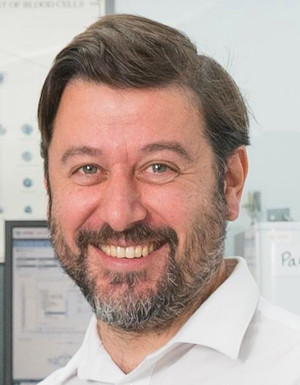 Christoph Göbl, PhD
Mātai Hāora – Centre for Redox Biology and Medicine, University of Otago, New Zealand
When a tumor suppressor becomes amyloid: A redox switch for cell-cycle control
Can oxidative stress temporarily disable tumor suppressors by transforming them into amyloids? In this webinar, Christoph Goebel shared with us his work showing that members of the INK4 family of cell-cycle inhibitors, including p16, p15, and p18, can reversibly assemble into amyloid structures upon oxidation.
His work focused on p16, a key inhibitor of CDK4/6, a classical cell cycle driver. Oxidation of a single cysteine residue triggered the stepwise formation of dimers, oligomers, and eventually amyloid fibrils. Unlike the irreversible amyloids linked to neurodegeneration, these assemblies are fully reversible, meaning that reducing the disulfide bonds restores the native monomeric protein and its inhibitory activity over CDK4. Using biochemical assays and electron microscopy, Christoph's team has demonstrated that amyloid formation directly blocks p16 function, releasing CDK activity and potentially altering cell-cycle progression under oxidative stress.
This project has also identified a conserved motif driving amyloid assembly and provided initial evidence that these transitions occur both in living cells and possibly in cancer tissues. In summary, this webinar introduced an exciting concept in redox biology, that oxidative stress could dynamically reprogram protein structure and function through reversible amyloid formation, adding a new layer of regulation to cellular signaling and stress adaptation.
Chemiluminescent Redox-Driven Assay for Monitoring Inflammatory Disease Activity
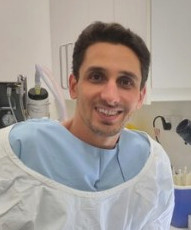 Belal Chami, PhD
The Charles Perkins Centre, University of Sydney, Australia
Follow your gut (inflammation): A rapid MPO test for IBD monitoring
Monitoring inflammatory bowel disease (IBD) remains inconvenient and heavily dependent on centralized laboratory testing. In this webinar, Belal Chami shared with us an elegant and much simpler alternative for detecting gut inflammation by measuring endogenous myeloperoxidase (MPO) activity directly in fecal samples.
The assay, termed the “MPOLR” (MPO luminol reaction), is a chemiluminescent assay that generates a measurable light output detectable in a black box using low-cost imaging systems, including Raspberry Pi cameras and even smartphones. By exploiting MPO's enzymatic activity rather than relying on antibody-based detection, the method dramatically simplifies sample processing and reduces costs. A critical innovation on this assay was the inclusion of DNase treatment, which releases MPO trapped in DNA meshes and significantly boosts MPO solubility and assay sensitivity. In clinical samples from patients with ulcerative colitis, the assay correlated strongly with endoscopic analysis results and, in several analyses, outperformed the current gold-standard biomarker, calprotectin.
This new platform was particularly effective at distinguishing symptomatic from asymptomatic patients and showed strong potential for detecting moderate-to-severe inflammation. Thinking about the development of portable electrochemical biosensors for at-home testing, Belal's work highlights how redox biochemistry can be translated into easy, creative, practical diagnostic tools that one day could enable accessible, home-based monitoring for patients living with chronic inflammatory disease.
Remember that you can also watch recordings of the webinars through the SFRR-E intranet!
Want to know more about what we do? You’ll find all the info about the ECR Subcommittee on the SFRR-E website.
For regular updates, follow us on Instagram (@sfrr_ecr), Bluesky (@sfrre-ecr.bsky.social) Twitter/X (@SFRR_Europe), and LinkedIn (SFRR-E).
Got a question, idea, or just want to say hi? Drop us an email at
– The ECR Subcommittee Team
 Upcoming Events You Won’t Want to Miss:
SFRR-E Annual Meeting
- Redox Biology, environmental exposures and lifestyle
- Mainz, Germany | 3–5 June 2026
- More info
Gordon Research Seminar (GRS) Thiol-Based Redox Regulation and Signaling
- Molecular Mechanisms and Therapeutic Innovation in Redox Signaling
- Castelldefels, Spain | 11–12 July 2026
- Speaker abstract deadline: 5 April | Registration deadline: 13 June
- More info
Gordon Research Conference (GRC) Thiol-Based Redox Regulation and Signaling
- Bridging Redox Chemistry to Biology, Aging and Disease
- Castelldefels, Spain | 12–17 July 2026
- Registration deadline: 14 June
- More info
The Society for Redox Research Australasia & International Human Peroxidase Joint Meeting
- Christchurch, New Zealand | 2–4 September 2026
- Abstract deadline: 24 June | Early registration deadline: 17 July
- More info
17th International Conference on Reactive Oxygen and Nitrogen Species in Plants
- Granada, Spain | 9–11 September 2026
- Abstract deadline: 2 May | Registration deadline: 30 June
- More info
Spetses Redox Summer School - FEBS Advanced Course
- Redox signaling in the physiopathology of the human body
- Spetses, Greece | 28 September - 4 October 2026
- More info
BMFZ Redox Medicine
- Düsseldorf, Germany | 5 November 2026
- Application for poster presentation deadline: 28 June 2026 | Registration deadline: 28 June
- More info
Biochemical Society: Redox – The Good, The Bad and The Unexpected
- Cambridge, UK | 16-18 November 2026
- Abstract deadline: More info soon | Early registration deadline: 16 August 2026
- More info
23rd Biennial Meeting of SFRR International 2027
- Redox Frontiers 2027: Expanding Horizons with New Concepts and Technologies
- Sendai, Japan | 28–31 March 2027
- Symposium proposal submission deadline: 1 June 2026
- More info
Redox-regulated Metabolism & Cell Death
- Seoul, Korea | 1–3 April 2027
- https://docs.google.com/forms/d/e/1FAIpQLSfumZ8PqI1QrFeFexcn7AxcKWSDsXjDMIQQlpAnNPGJxuFOkA/viewform
- Spaces for selected talks are available!
 Redox Reads Worth Your Time:
 Research Articles
Jacobs, L.J.H.C., Sebastian Doll, S., Trümbach, D., et al. Cytosolic PRDX1 acts as an extramitochondrial sink to set mitochondrial H2O2 levels and enable resilience to chronic mitochondrial oxidative stress. Redox Biol (2026). https://doi.org/10.1016/j.redox.2026.104195
Pang, J., Wang, Z., Yang, C., et al. Law-NQO1 redox boosts the pentose phosphate pathway to confer stem-like properties and antitumor durability in effector CD8+ T cells. Cell Chem Biol (2026). https://doi.org/10.1016/j.chembiol.2026.02.001
Ma, S., Qin, J., Luan, L., et al. Targeting mitochondrial phosphatase PGAM5 alleviates ferroptosis and acute pancreatitis by upregulating NRF2-mediated FSP1 expression. Cell Death Dis (2026). https://doi.org/10.1038/s41419-026-08484-9
Kump, A., Perne, L., Koren, Š., et al. Opposing roles of DGAT-mediated lipid droplet biogenesis in the regulation of ferroptosis sensitivity. FEBS J (2026). https://doi.org/10.1111/febs.70467
Miao, D., Li, Q., Zhang, Y. et al. Single-cell thiol profiling enabled by live-cell labeling reveals metabolic heterogeneity in ferroptosis. Nat Commun (2026). https://doi.org/10.1038/s41467-026-70336-z
Hennequart, M., Mervant, L., Stockis, J. et al. ALDH1L2 regulates reactive oxygen species and acinar-to-ductal metaplasia in the pancreas. Nat Metab (2026). https://doi.org/10.1038/s42255-026-01456-5
Radyk, M.D., Nelson, B.S., Ruckert, M.T. et al. NADPH-producing enzymes restrict the formation of pancreatic precancerous lesions. Nat Metab (2026). https://doi.org/10.1038/s42255-026-01496-x
Moseler, A., Hildebrandt , T.M., Rouhier, N., et al. Novel perspectives on cysteine-dependent enzymes and processes in photosynthetic organisms. J Exp Bot (2026). https://doi.org/10.1093/jxb/erag149
Xia, Q., Tang, J., Casas-Martinez, J.C., et al. Exercise-related microRNAs in Caenorhabditis elegans regulate calcium homeostasis and mitochondrial dynamics: Conserved pathways, divergent microRNAs. FEBS J (2026). https://doi.org/10.1111/febs.70502
 Reviews to Think About
Zhang, R. & Zhang, K. Mitochondrial NADP(H) integrates redox and metabolism. Trends Endocrinol Metab (2026). https://doi.org/10.1016/j.tem.2025.12.003
Vaughan, A.J., Palma, M., Ubellacker, J.M. & Papagiannakopoulos, T. Ferroptosis surveillance: Insights from in vivo contexts. Ferroptosis Oxid Stress (2026). https://doi.org/10.70401/fos.2026.0021
Noji, M.C., Wellen, K.E. Metabolism modulates stress and neoplasia. Nat Metab (2026). https://doi.org/10.1038/s42255-026-01500-4
Mazon, H., Selles, B. & Rahuel-Clermont, S. Chimerization expands peroxiredoxin scope. Nat Chem Biol (2026). https://doi.org/10.1038/s41589-026-02155-8
García-Yagüe, Á.,J., Cazalla, E. & Cuadrado, A. Therapeutic potential of isothiocyanates by targeting the NRF2 pathway. Free Radic Biol Med (2026). https://doi.org/10.1016/j.freeradbiomed.2026.03.029
Bramatti, I., Branco, V. & Carvalho, C. The interplay between the thioredoxin system and hypoxia-related factors in cancer. Free Radic Biol Med (2026). https://doi.org/10.1016/j.freeradbiomed.2026.03.040
 New Protocols
Abrams, R.P.M., Donahue, R.G., Ma, J., et al. An engineered cysteine sensor optimized for high-throughput screening identifies regulators of intracellular thiol levels. Cell Chem Biol (2025). https://doi.org/10.1016/j.chembiol.2025.10.006
 Preprints We’re Watching
Keijer, J.P., Polderman, P.E., den Toom, W.T.F., et al. Hydrogen Peroxide induces resistance to DNA damage in a localization and p53 dependent manner. BioRxiv (2026). https://doi.org/10.64898/2026.05.13.724825
Campeciño, J.O., Costa, S.S., Walsh, B.J.C., et al. Self-S-sulfonation in a bacterial persulfide dioxygenase mediates thiol persulfide detoxification. BioRxiv (2026). https://doi.org/10.64898/2026.02.20.707092
 Call for Papers:
- Journal: Redox Bioclogy
- Special Issue: Redox and Metabolism in Cancer: Drivers of Adaptation and Therapeutic Response
- Submission Deadline: 16 October 2026
- More info
 Redox Jobs Board:
Got a position open for a PhD student, postdoc, or technician in redox research?
Want to feature it in our next newsletter? Send us the details at
-
- Type of position (PhD student, Postdoc, etc)
- Research topic
- Institute or university
- Deadline
- Contact info
- Additional details or link