
Dear fellow researchers,
As we wrap up the year and step into the festive season, we’re delighted to bring you the final newsletter of 2025, filled with exciting updates from the SFRR-E ECR community. It has been a wonderful year of science, connection, and collaboration, and we’re grateful to everyone who has been part of it.
In this issue, we’re pleased to announce our next SFRR-E ECR Webinar, taking place on 13th January, kicking off the new year with fresh ideas and inspiration. We also celebrate the awardees of the 3rd PhD Symposium, recognising outstanding contributions from our early-career researchers.
Looking ahead to 2026, you’ll find all the essential information about the SFRR-E Travel Awards for the Annual Meeting in Mainz, a fantastic opportunity to present your work and connect with the wider redox community. We also highlight the SFRR-E / OCC Early Career Researcher (ECR) Fellowships - 2026, supporting the next generation of redox scientists.
Finally, we share a recap of our December webinar, featuring two excellent talks packed with valuable insights for early-career scientists.
And of course, as always, you’ll also find upcoming deadlines, interesting events, paper calls, fresh redox reads, and job opportunities you won’t want to miss.
We hope this festive edition brings you both inspiration and a moment to reflect on a successful year. Wishing you a joyful holiday season and a bright start to 2026!
Next SFRR-E ECR Webinar - January 13th!
We’re thrilled to keep the momentum going with the fifth session of the SFRR-E ECR webinar series, “Emerging Leaders in Redox Biology”, taking place on January 13th, 2026! This series is dedicated to showcasing early-career researchers who are pushing the boundaries of redox biology. We’re looking forward to another engaging afternoon of learning, discussion, and connection. This time, we’ll explore the captivating topic of “Computational Redox Biology”, with presentations from two exceptional researchers - Cameron Schmidt and Karen Guerrero Vazquez. Join us at 15:00 CET for an exciting deep dive into cutting-edge redox research!

NAD(P)H Redox State as a Mechanism for Fine Tuning Microswimmer Search Strategies
Cameron Schmidt, PhD
Department of Biology, East Carolina University, USA
Dr. Cameron A. Schmidt is an Assistant Professor in the Department of Biology at East Carolina University, Greenville, NC. His research seeks to understand how energy and information intersect to inform the emergent behaviors of cells and cell collectives. His interdisciplinary group explores these questions by combining mathematical/computational modeling with laboratory experiments primarily focused on the biology of mammalian reproduction. Dr. Schmidt’s academic journey began with a B.S. in Biology, complemented by minors in Applied Mathematics and Chemistry from The University of Akron. He received a Ph.D. in Physiology from East Carolina University in 2018 and remained at ECU during his tenure as an NIH Ruth L. Kirchstein Postdoctoral Fellow in Bioenergetics and Redox Systems Biology where he studied cellular energy transduction and mitochondrial energetics in models of cancer and metabolic disease. His current NIH supported work aims to improve sperm selection for assisted reproductive therapies.
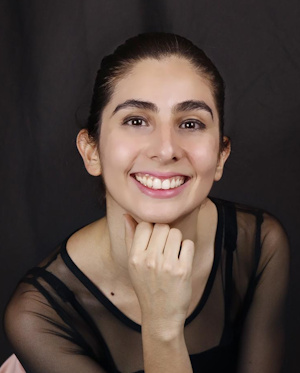
Karen Guerrero Vazquez, PhD
University of Galway, Ireland
Karen obtained her computer systems engineering degree and her master's in computer science in Mexico, and in 2025 earned her PhD in genomics data science at the University of Galway, Ireland. She is interested in integrating computational tools to address biological questions, especially in Machine Learning and algorithm design. She cares about computer engineering values and is especially interested in the effects of ageing in humans.
A significant part of her doctoral work was the development of the miRKat Suite, an integrated computational platform designed to help researchers prioritise therapeutic microRNA targets, and the development of predictive models to identify signature genes for ageing muscle from high-dimensional transcriptomic data. Her work has also explored the role of oxidised microRNAs.
Don’t miss this inspiring continuation of the series! Mark your calendars, spread the word, and join us online for a stimulating session! We look forward to seeing you there and to another season of groundbreaking science and lively discussions with the SFRR-E ECR community.
 3rd PhD Symposium — Celebrating Our Awardees!
We are delighted to announce the awardees of the 3rd edition of the PhD Symposium “Redox Relay Race: PhD Students on the Move”, held on 18–19 November 2025. After two truly inspiring days of excellent science, stimulating discussions, and impressive enthusiasm, the awards go to Lucas Carvalho, Shani Doron, and Valentin Kapferer, whose outstanding contributions particularly stood out.
We would also like to warmly thank all participants for the high quality of their presentations, their engagement, and the vibrant, collaborative spirit they brought to the symposium. Your work highlights the strength and diversity of the redox community, and we strongly encourage you to keep pushing boundaries, sharing ideas, and shaping the future of the field.
 SFRR-E / OCC Early Career Researcher (ECR) Fellowships – 2026
Ready to take the next step in your redox research career?
We are pleased to announce the 2026 Call for applications for the SFRR-E / OCC Early Career Researcher (ECR) Fellowships. These Fellowships aim to support early career researchers by providing up to €10,000 for research or seed funding for a new project in the field of redox biology, to be completed within a 12-month period. The number of Fellowships awarded will depend on the quality of the applications received.
The Fellowship funding cannot be used to cover salary costs and must not overlap with existing funding. Applicants are expected to clearly explain how receiving this Fellowship will support their future career development and research goals.
Who can apply?
Applications are open to Early Career Researchers who are current financial members of SFRR-E and whose proposed projects are relevant to redox research. Full eligibility criteria are detailed in the application guidelines.
How to apply
Applicants must submit their application using the official form available through the SFRR-E member area at https://www.sfrr-europe.org. To access the application form and guidelines, log in via “Member login & renewal” under the Membership menu and select the “SFRR-E / OCC ECR Fellowship” option in the blue menu on the left. This page also allows applicants to join the Society or renew their membership, if required.
Applications should be submitted as a single PDF file, including all required attachments, through the SFRR-E member area. Each application will be evaluated by three independent peer reviewers appointed by SFRR-E.
Important date
Application deadline: 23 January 2026
Take this opportunity to develop new ideas, generate preliminary data, and move your redox research forward.
 SFRR-E Travel Awards – Mainz 2026
Ready to take your science on the road?
We’re excited to announce that SFRR-E Travel Awards will be available for students and postdocs to attend the 2026 SFRR-E Annual Meeting “Redox Biology, Environment Exposures and Lifestyle”, taking place in Mainz, Germany (3-5 June 2026).
What’s on offer?
Europe-based applicants: €400 travel grants for PhD students or postdocs (≤5 years post-PhD, non-permanent positions).
Outside Europe: €900 travel awards for SFRR-E or Regional SFRR Society members under the same conditions.
(Note: previous SFRR-E Travel Grant or Young Investigator Award recipients are not eligible.)
Who can apply?
PhD students and postdocs who are current members of SFRR-E (or a Regional SFRR Society outside Europe) and meet the eligibility criteria above.
How to apply
Submit your application as a single PDF via the SFRR-E intranet https://intranet.sfrr-europe.org and select the option “Travel Awards for SFRR-E Mainz” in the menu on the left.
Your PDF should include:
-
- CV (max 2 pages, including PhD start/award date)
- Motivation letter
- Abstract intended for presentation
(Incomplete applications will not be considered.)
Important dates
- Deadline: 12 January 2026
- Results announced: before 26 January 2026 (abstract submission deadline)
Funds will be transferred after proof of registration and abstract submission.
Conference website: www.sfrremainz2026.com
Questions? Contact
Don’t miss your chance to join us in Mainz - and take your redox research further than ever!
Summary of December’s webinar:
On December’s webinar we learnt about ”Redox mechanisms in Aging” with two wonderful talks by Claudia Lennicke and Anna Gioran. If you didn’t have a chance to follow the webinar, here’s a summary for you.
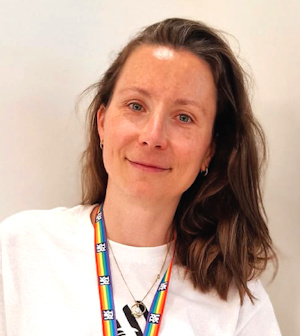
Profiling of cysteine oxidation by unbiased redox proteomics reveals sex-dependent patterns during ageing
Claudia Lennicke, PhD
MRC Laboratory Institute of Medical Sciences (LMS), Institute of Clinical Sciences, Imperial College London, UK
Claudia presented her work using Drosophila melanogaster to identify specific redox-sensitive proteins that modulate lifespan. Through unbiased redox proteomics combined with targeted genetic approaches, her research demonstrated that oxidative modifications are not uniformly detrimental but instead act as regulated signals that vary across tissues, sexes, and age. These findings support the concept that finely tuned redox signaling, rather than global antioxidant capacity, is a key determinant of metabolic homeostasis and longevity.
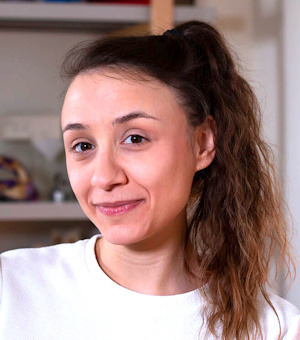
When mitochondria falter: Impact on longevity and link to proteostasis
Anna Gioran, PhD
Chair of Biomaterials, University of Bayreuth, Germany
Anna focused on the role of mitochondrial redox metabolism in aging and disease, emphasizing how mitochondrial dysfunction perturbs redox balance, proteostasis, and organismal health. Using genetically and metabolically defined models, her work illustrated how defects in mitochondrial metabolism propagate redox stress, impacting cellular resilience and aging trajectories. She further discussed the need for metabolically relevant experimental systems to capture redox–mitochondria interactions, underscoring how improved disease-relevant models can enhance the identification of redox-targeted interventions.
Remember that you can also watch recordings of the webinars through the SFRR-E intranet!
Want to know more about what we do? You’ll find all the info about the ECR Subcommittee on the SFRR-E website.
For regular updates, follow us on Instagram (@sfrr_ecr), Bluesky (@sfrre-ecr.bsky.social) Twitter/X (@SFRR_Europe), and LinkedIn (SFRR-E).
Got a question, idea, or just want to say hi? Drop us an email at
- The ECR Subcommittee Team
 Upcoming Events You Won’t Want to Miss:
SFRR-E Annual Meeting
- Redox Biology, environmental exposures and lifestyle
- Mainz, Germany | 3-5 June 2026
- Abstract deadline: 14 February | Early registration deadline: 21 March
- More info
The Society for Redox Research Australasia & International Human Peroxidase Joint Meeting
- Christchurch, New Zealand | 2-4 September 2026
- Abstract deadline: 1 July | Early registration deadline: 17 July
- More info
17th International Conference on Reactive Oxygen and Nitrogen Species in Plants
- Granada, Spain | 9-11 September 2026
- Abstract deadline: 2 May | Registration deadline: 30 June
- More info
23rd Biennial Meeting of SFRR International 2027
- Redox Frontiers 2027: Expanding Horizons with New Concepts and Technologies
- Sendai, Japan | 28-31 March 2027
- More information coming soon
- More info
 Redox Reads Worth Your Time:
Research Articles
Sung, E., Murakami, S., Morita, M., et al. Mitochondria regulate the cell fate decisions of megakaryocyte-erythroid progenitors. Stem Cell Reports (2025). https://doi.org/10.1016/j.stemcr.2025.102720
della Volpe, L., Lee, A.J., Antoszewski, M. et al. Inhibiting ferroptosis enhances ex vivo expansion of human haematopoietic stem cells. Nat Cell Biol (2025). https://doi.org/10.1038/s41556-025-01814-7
Shakir D., Batie M., Kwok C.S., et al. NF-kappaB is a central regulator of hypoxia-induced gene expression. EMBO Rep (2025). https://doi.org/10.1038/s44319-025-00651-x
Zhang, JJ., Tian, RF., Song, CG. et al. Lactate mitochondrial oxidation drives stemness potential in metastatic breast cancer. Nat Commun (2025). https://doi.org/10.1038/s41467-025-67091-y
Hu, Y., Li, Z., Li, M., et al. Targeting PRDX6-dependent localization and function of GPX4 enhances ferroptosis-mediated tumor suppression. Mol Cell (2025). https://doi.org/10.1016/j.molcel.2025.11.023
Toshniwal, A.G., Lam, G., Bott, A.J., et al. The fate of pyruvate dictates cell growth by modulating cellular redox potential. Elife (2025). https://doi.org/10.7554/elife.103705
 Reviews to Think About
O'Donnell, V.B. & Bochkov, V. Oxidized phospholipids in ferroptosis, immunity and inflammation. Redox Biochem Chem (2025). https://doi.org/10.1016/j.rbc.2025.100061
Tian, K., Xiong, T., Zeng, D., et al. Impact of reactive oxygen species on bone regeneration in diabetes: Mechanisms and therapeutic strategies. Redox Biol (2025). https://doi.org/10.1016/j.redox.2025.103941
 New Protocols
Miljkovic, J.L., Burger, N., Yu, C.S. et al. Simultaneous and sensitive quantification of protein and low molecular weight persulfides, polysulfides and H2S in biological samples. Nat Commun (2025). https://doi.org/10.1038/s41467-025-66795-5
Penkov, S., Bendoula, G.L. & Fedorova, M. Strategies to minimize artificial lipid oxidation in mass spectrometry based epilipidomics analysis. Methods Enzymol (2025). https://doi.org/10.1016/bs.mie.2025.11.019
 Preprints We’re Watching
Furusawa, T., Gujar, V., Sharma, S., et al. Peroxiredoxin 1 safeguards the nucleolar genome from oxidative damage. BioRxiv (2025). https://doi.org/10.1101/2025.11.12.685177
Castejon-Vega, B., Fernandez-Guerrero, I., Yu, Y., et al. Developmental Programming of Mitochondrial Function Limits Lifespan in Short-Lived Animals. BioRxiv (2025). https://doi.org/10.1101/2023.06.23.546283
 Call for Papers:
Journal: Redox Biochemistry and Chemistry
- Special Issue: Redox Metals in Health and Disease
- Submission Deadline: 31 December 2025
- More info
Journal: Redox Biology
- Special Issue: The role of nitric oxide in redox signaling and disease: shaping the future with emerging leaders
- Submission Deadline: 31 December 2025
- More info
 Redox Jobs Board:
Type of position: Group Leader
- Institute or university: Rudolf Virchow Center for Integrative and Translational Bioimaging (RVZ) University of Würzburg, Germany
- Deadline: 31 December 2025
- Contact info: Prof. Dr. Katrin Heinze (
This email address is being protected from spambots. You need JavaScript enabled to view it. ) - Aditional details: https://www.academics.de/jobs/group-leader-f-m-d-julius-maximilians-universitaet-wuerzburg-wuerzburg-1103516
Type of position: Postdoctoral position
- Research topic: Metabolic Regulators of Cancer Epigenetics
- Institute or university: Moffitt Cancer Center, USA
- Deadline: Call open until filled
- Contact info: Marcelo Bonini (
This email address is being protected from spambots. You need JavaScript enabled to view it. ) - Aditional details: https://moffitt-cancer-center-careers.hctsportals.com/jobs/2115134-postdoctoral-fellow-focus-on-metabolic-regulators-of-cancer-epigenetics
Got a position open for a PhD student, postdoc, or technician in redox research?
Want to feature it in our next newsletter? Send us the details at
- Type of position (PhD student, Postdoc, etc)
- Research topic
- Institute or university
- Deadline
- Contact info
- Additional details or link