
Dear fellow researchers,
As spring unfolds and brings a renewed sense of energy, we’re delighted to share the latest updates from the SFRR-E ECR community. This month’s newsletter brings together exciting news, new faces, and upcoming opportunities, as we continue our commitment to supporting and connecting early-career researchers in the redox field.
In this edition, we bid a heartfelt farewell to Veronica Lisi and warmly welcome the new members of the ECR Subcommittee. We also invite you to join our upcoming webinars: the final “Emerging Leaders in Redox Biology” session on 5 May and the last “Skills & Career” webinar of the season on 26 May.
Alongside these highlights, you’ll find recaps of March’s science and skills webinars, as well as April’s “Emerging Leaders” session. As always, we’ve compiled a selection of upcoming events, key deadlines, recent publications, and job opportunities for you to explore at the end of the newsletter.
 From PhD to postdoc, from Italy to the USA: Grazie mille Veronica!

Last month we waived farewell to our Veronica Lisi as she is preparing for a new career chapter.
Veronica Lisi brought the Italian heart and warmth to our subcommittee. She joined the ECR Subcommittee as a PhD student and has grown alongside the committee into the successful postdoctoral researcher she is today in the USA. Veronica approached every task with enthusiasm, dedication, and genuine passion, and she was always a source of joy, whether contributing ideas, supporting initiatives, or simply bringing positive energy to our meetings. She has truly been a party and a bright presence within our redox family, an extraordinary person and a dear friend. We are incredibly grateful for everything she has shared with us over the years and we wish her all the very best for her future, especially with her upcoming grant applications. We have no doubt that she will soon become an outstanding group leader, and we look forward to celebrating her many successes ahead.
 Welcome to the new members of the ECR Subcommittee!
After a hard selection process, we are happy to welcome four new members to the ECR Subcommittee. Thank you very much to everybody for your applications, we encourage you to apply again next call.
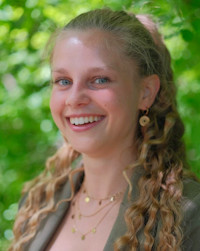
Anne Sophie Scheller
My name is Anne Sophie Scheller and I am a Junior Researcher at the Department of Pharmacology at the University of Fribourg. I am currently finalizing my PhD, which I conducted at the Friedrich Schiller University Jena, focusing on H2S and the role of methanethiol oxidases in cancer and aging.
In January 2026, I joined Csaba Szabó’s group to continue my work on H2S and explore the role of cyanide in normal cellular function and cancer. Beyond my research, I am passionate about science communication. As part of the Early Researcher Committee’s Social Media Team, I aim to increase the visibility of our community and connect young researchers through digital platforms. Let’s get connected!
What annoys you in the lab? Being too small - oversized gloves getting stuck in tubes, lab coats getting caught in my chair, and climbing being part of my job description.
What do you like to do the most in the lab? When no one’s around: taking full advantage of the lab acoustics and singing out loud while taking care of my cells.
What is your favourite thing to do for celebrating a successful experiment? A good coffee and briefly believing I‘ve finally cracked it.
Which was your first spot in your lab coat? Not a spot - a hole. Sulfuric acid vs. my mum‘s 25-year-old lab coat.
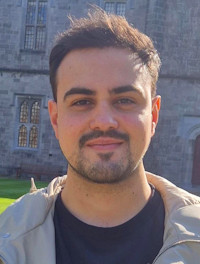
José C Casas Martínez
I am a postdoctoral researcher in the Physiology Department at the University of Galway. My work centres on redox signalling, mitochondrial function and inter-organelle communication in age-related diseases. During my PhD, I studied how adaptive ER stress remodels mitochondrial networks and mitochondria–ER contact sites in C. elegans. I am currently investigating the redox regulation of ion channels for the modulation of inflammation in osteoarthritis.
What annoys you in the lab? Opening a tip box and finding whoever used it before me had some kind of artistic vision going on, my multichannel is definitely not a fan!
What do you like to do the most in the lab? When things get stressful, my favourite thing is just tidying the lab. I feel like I am more productive when everything is in its place.
What is your favourite thing to do for celebrating a successful experiment? The final step of a successful experiment is always a pint of Guinness at Sult!
Which was your first spot in your lab coat? At the start of my PhD, I had westerns on repeat. So it was Ponceau S, of course.
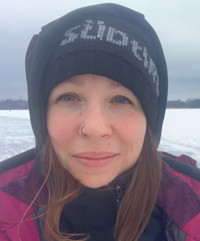
Julia Vorhauser
Hi! I’m Julia, originally from northern Italy. I studied Biology at the University of Innsbruck in Austria, where I first got into redox biology and I’ve been hooked ever since! I moved to London for my PhD at the Institute of Cancer Research, where I worked on how redox balance influences cell proliferation. In summer 2025, I relocated to Stockholm, where I’m now a postdoc at Karolinska Institute studying redox balance and mitochondrial metabolism. Outside the lab, I enjoy crafting, board games, and hiking. I also love going to concerts - especially when it comes to my favorite music bands!
What annoys you in the lab? Sometimes it happens to me that I run an experiment for the first time and it works perfectly, but when I try to repeat it, it fails again and again... I can end up stuck in a loop trying to figure out why it worked initially but not anymore, which can be really frustrating.
What do you like to do the most in the lab? I really enjoy discussing experiments with others. Sometimes someone asks an unexpected, “outside-the-box” question that turns out to be very useful and makes me rethink my approach. Getting fresh perspectives often leads to new ideas and better plans which I really appreciate.
What is your favourite thing to do for celebrating a successful experiment? I love being able to tick an experiment off my to-do list, it gives a real sense of completion. Beyond that, I’m quite good at rewarding myself with things I want (but don’t necessarily need) when something works. I think my most recent reward was an overpriced cast-iron pot.
Which was your first spot in your lab coat? Probably Ponceau staining! That stubborn pink is incredibly good at finding its way onto lab coats and staying there forever…
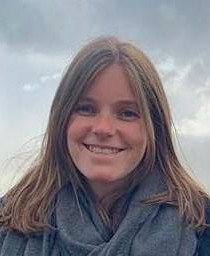
Sophie Hendrix
Hi! I’m Sophie, an Assistant Professor at the Centre for Environmental Sciences at Hasselt University in Belgium. I completed my PhD in Biology at Hasselt University in 2019, where I studied how plants respond to cadmium stress, with a particular focus on redox processes.
After my PhD, I expanded my research internationally through an EMBO short-term fellowship and later an Alexander von Humboldt postdoctoral fellowship at the University of Bonn (Germany). During this time, I worked with genetically encoded biosensors to investigate redox dynamics in plants and explored molecular plant responses to heat stress, including the role of glutathione peroxidase-like proteins in redox signalling.
I then returned to Hasselt University with the support of an SFRR-E Early Career Researcher fellowship and was appointed Assistant Professor in 2023. My current research focuses on how plants respond to combinations of environmental stresses, with a particular interest in the role of redox signalling. Ultimately, I aim to translate fundamental insights into strategies that help predict and mitigate the effects of stress on plant growth and crop production.
What annoys you in the lab? Having to go on an endless treasure hunt for stuff, because people don't put things back in place. Sometimes I feel like I spend more time searching for materials than actually doing the experiment.
What do you like to do the most in the lab? Growing tiny Arabidopsis plants of course.
What is your favourite thing to do for celebrating a successful experiment? Grabbing a coffee with my wonderful colleagues. And doing a little happy dance (when no one is watching).
Which was your first spot in your lab coat? A big permanent marker stain. While teaching a practical course, I put a black marker back in my lab coat pocket without the cap. Oops!
Final SFRR-E ECR “Emerging Leaders in Redox Biology” Webinar – Redox Jamboree SFRR-Europe - SFRR-Australasia (May 5th)
We’re thrilled to keep the momentum going with the last session of this season’s SFRR-E ECR webinar series, “Emerging Leaders in Redox Biology”, taking place on Tuesday, 5th May 2026.
This session is particularly special, as it is organised in collaboration with SFRR-Australasia. For this webinar, we are delighted to welcome speakers from our sister society and to strengthen the connection between our communities. We are very excited about this collaboration and look forward to many more joint initiatives between SFRR-E and SFRR-Australasia in the future.
To make participation possible for members of both societies, the webinar time has been specially adjusted to better accommodate attendees across time zones.
This series is dedicated to showcasing early-career researchers who are pushing the boundaries of redox biology. We’re looking forward to another engaging afternoon of learning, discussion, and connection.
For this final webinar of the season, we’ll do a “Redox Jamboree”, with presentations from two exceptional researchers: Christoph Göbl and Belal Chami. Join us at 9:00 AM CET for an exciting deep dive into cutting-edge redox research!
Switchable amyloids: A single disulfide bond reversibly controls the transition between monomeric and amyloid INK4 tumour suppressors.
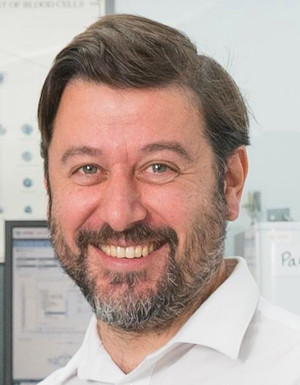
Christoph Göbl, PhD
Mātai Hāora – Centre for Redox Biology and Medicine, University of Otago, New Zealand
Dr Christoph Göbl studied Chemistry at the Karl-Franzens-University of Graz, Austria, and performed a PhD supervised by Klaus Zangger (Graz) and Nico Tjandra (NIH, USA), where he applied biomolecular NMR spectroscopy to the study of proteins. He then undertook postdoctoral research with Tobias Madl at the Technical University of Munich, Germany, focusing on redox-protein NMR spectroscopy, followed by a second postdoctoral position with Tak Mak and Chiara Gorrini in Toronto, Canada, investigating the aryl hydrocarbon receptor in breast cancer.
Dr Göbl moved to New Zealand in 2019 and currently works at Mātai Hāora – Centre for Redox Biology and Medicine in Christchurch. His recent work revealed that small, monomeric cell-cycle inhibitor proteins can transition into large amyloid structures upon oxidation. This process is strictly governed by disulfide bond formation and is fully reversible upon reduction of the disulfide bond. These redox-regulated amyloids represent the first examples of their kind and are currently being investigated both in vitro and in vivo.
Chemiluminescent Redox-Driven Assay for Monitoring Inflammatory Disease Activity
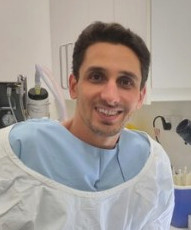
Belal Chami, PhD
The Charles Perkins Centre, University of Sydney, Australia
Dr Belal Chami is a senior lecturer at the University of Sydney, The Charles Perkins Centre, where he leads the Redox Inflammation Group. Dr Chami is a biomedical scientist and redox biologist with expertise in oxidative stress, inflammation, and translational biomarker development. His work focuses on redox-dependent mechanisms underlying chronic inflammatory disease, investigation of novel antioxidants as potential drug adjunctive and the development of novel analytical platforms for disease monitoring. Dr Chami has authored over >35 peer-reviewed publications in the fields of redox biology, cardiovascular and inflammatory pathology, and advanced diagnostic technologies. His research integrates fundamental redox chemistry with clinically relevant assay development, with particular interest in chemiluminescent and reactive oxygen species-sensitive detection systems. The work presented in this webinar reflects his ongoing efforts to translate redox biology into practical tools for monitoring inflammatory disease activity.
We warmly invite members from both societies to attend and help us celebrate this collaborative milestone together.
Final SFRR-E ECR “Skills & Career” Webinar – Mental Health in Research (May 26th)
We’re pleased to announce the final webinar of this season’s SFRR-E ECR webinar series “Skills and Career”, taking place on Tuesday, 26th May 2026.
This series is dedicated to supporting early-career researchers by exploring professional development topics, transferable skills, and career pathways in and beyond redox biology. We’re looking forward to closing the season with an important and timely discussion focussed on mental health and resilience in academic research.
In this webinar, we will explore the essential topic:
Resilience in Science: From Stress Signals to Adaptation
Building your personal toolkit for navigating setbacks
The webinar will feature an interactive talk and discussion with Siobhan M. Craige and Rebecca M. Wall, who will share perspectives from their scientific careers on navigating pressure, setbacks, and adaptation in research environments, and on developing sustainable strategies to support wellbeing and long-term success in academia.
Join us at 15:00 CET for this reflective and practical session designed to support researchers at all stages of their careers.
Resilience in Science: From Stress Signals to Adaptation
Building your personal toolkit for navigating setbacks
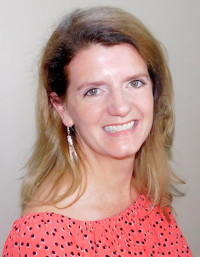
Siobhan M. Craige, PhD
Department of Human Nutrition, Foods, and Exercise, Virginia Tech, Blacksburg, USA
Siobhan M. Craige, PhD is an Assistant Professor in the Department of Human Nutrition, Foods, and Exercise at Virginia Tech and an affiliate faculty member in Biochemistry and Molecular and Cellular Biology. Trained as a biochemist and cardiovascular scientist, her research focuses on how cells and tissues sense, respond to, and adapt to stress, with particular emphasis on exercise, metabolism, and redox signaling.
Beyond the science, Dr. Craige has spent her career navigating the cumulative pressures of academic life: the long-term pressure of continuously securing research funding, leadership transitions, mentoring responsibilities, and the less visible moments of uncertainty and burnout. Through mentoring graduate and undergraduate trainees, building scalable research ecosystems, and learning when to step back to take stock and recalibrate, she has come to view resilience not as endurance alone, but as an active, strategic process— fundamental not only to scientific success, but to sustained professional growth and personal fulfillment.
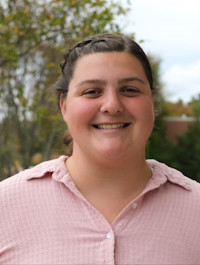
Rebecca M. Wall, MSc
Department of Human Nutrition, Foods, and Exercise, Virginia Tech, USA
Rebecca M. Wall is a PhD Candidate working under the mentorship of Dr. Siobhan M. Craige in the Department of Human Nutrition, Foods, and Exercise at Virginia Tech. Her research focuses on the reactive oxygen and nitrogen species–producing enzymes NOX4 and eNOS, respectively, with an emphasis on how these molecules respond to acute stress and contribute to metabolic health and beneficial physiological outcomes.
Rebecca has developed resilience through her experience as a high level athlete. The challenges of training and competition shaped her approach to goal setting and performing under pressure. She carries these values into her research, where they guide her approach to grant and manuscript writing and rejection, but also the persistence required for daily bench work. This mindset allows her to approach scientific setbacks as opportunities for growth while maintaining focus and momentum.
Don’t miss this inspiring end of the series! Mark your calendars, spread the word, and join us online for the last two stimulating sessions! We look forward to seeing you there and to another season of groundbreaking Australasian science, and for an open discussion on mental health, resilience, and wellbeing in research with the SFRR-E ECR community.
 New! Subscribe to our webinar calendar
To make it easier than ever to stay up to date, we’ve launched a dedicated webinar calendar. By adding it once, you’ll automatically see all current and future SFRR-E ECR webinars in your calendar — no need to add each session individually.
Add the webinar series calendar here
- So you never miss a webinar!
Summary of March’s Emerging Leaders in Redox Biology webinar:
On March’s webinar we learnt about ”TRX to the core” with two wonderful talks by Karoline Scholzen and Sabrina De Brasi Velasco. If you didn’t have a chance to follow the webinar, here’s a summary for you.
Control of redox signaling by TXNRD1 studied at single cell level
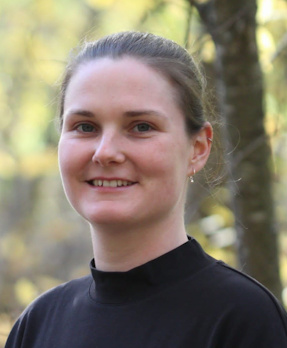
Karoline Scholzen, MSc
Division of Biochemistry, Department of Medical Biochemistry and Biophysics, Karolinska Institutet, Stockholm, Sweden
How do we measure enzymatic activity in individual cells? While single-cell transcriptomics and proteomics have transformed biology, they can often fail to capture the true functional state of enzymes. In this webinar, Karoline Scholzen shared with us a methodological approach to bridge this gap by directly measuring the activity of a thioredoxin (TRX) reductase (TXNRD1) at single-cell resolution. The TRX system and the complementary glutathione systems are central regulators of cellular redox homeostasis across kingdoms. However, the enzyme activity of pathway components does not necessarily correlate with their mRNA or protein abundance. To bridge this knowledge gap, Karoline and colleagues developed RX1, a highly selective fluorescent probe for the activity TXNRD1. Using flow cytometry on cell cultures treated with RX1, they have revealed the heterogeneity of TXNRD1 activity in real time. By sorting cells based on their RX1 fluorescence and combining this approach with single-cell RNA sequencing, they have achieved to linked enzymatic activity to transcriptional programs associated with proliferation, energy metabolism, and protein translation. This integrative approach highlights how chemical probes and single-cell genomics can be combined to reveal functional metabolic diversity within seemingly uniform cell cultures, opening new avenues to study redox regulation in health and disease.
New role for thioredoxins beyond thiol-disulfide exchange: AtTRXo1 acting as Depersulfidase in Plants
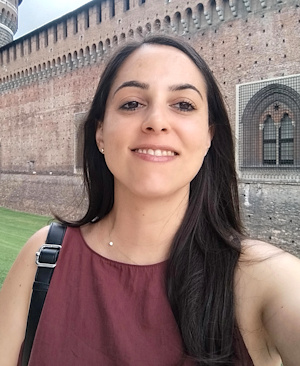
Sabrina De Brasi Velasco, PhD
Plant Pathology Group; Department of Stress Biology and Plant Pathology. Center for Soil Science and Applied Biology of the Segura - Spanish National Research Council (CEBAS-CSIC), Murcia, Spain
Can a classic redox protein take on an entirely new role in plant signaling? In this webinar, Sabrina de Brasi Velasco explored an emerging redox regulation in plants, revealing a surprising new function for thioredoxin O1 (TRXO1) beyond its well-established role in thiol disulfide exchange. Her work has identified TRXO1 as central to hydrogen sulfide (H2S) signaling. H2S, once considered only toxic, is now widely accepted as a key signaling molecule alongside nitric oxide and hydrogen peroxide. One of its primary modes of action is persulfidation, a post-translational modification of cysteine residues that protects proteins from irreversible oxidation while modulating their activity. Even with a high prevalence, as it affects a significant portion of the plant proteome, its reversibility and regulation remain not fully understood. Using plant lines deficient in TRXO1, Sabrina demonstrated a marked difference in protein persulfidation levels at enzymes of the ascorbate-glutathione cycle, where persulfidation enhances enzymatic activity. Surprisingly, in vitro assays revealed that TRXO1 can remove this persulfidation. Together, these findings shed light on a dynamic redox-switch interplay, in which persulfidation boosts enzyme activity, while TRXO1 can restore baseline function, thereby fine-tuning cellular responses to oxidative stress. Evidence that places TRXO1 as a critical regulator of redox signaling, modulating protein function and, therefore, plant stress resilience.
Summary of March’s Skills and Career webinar:
On March’s Skills and Career webinar we learnt about ”Grant writing” with an inspiring talk by Ana Pineda. If you didn’t have a chance to follow the webinar, here’s a summary for you.
4 mistakes to avoid when you write your next grant
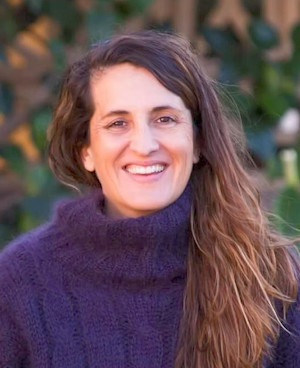
Ana Pineda, PhD
Why do scientists struggle with grant writing (even when they have great ideas)?
In this highly practical webinar, Ana Pineda (I focus and write, https://www.ifocusandwrite.com/) unpacked one of the most underestimated truths in academia: Grant success is not only about good science, but it is also about strategy and communication. In addition to helpful writing tips, Ana presented a comprehensive framework built around the four most common mistakes researchers make when applying for third-party funding. The first challenge is time. Many scientists underestimate how long high-quality proposals take and ignore the limits of deep work and the reality of competing responsibilities. Ana showed us how to make realistic planning with built-in buffer periods to absorb inevitable delays. The second challenge is a critical communication mismatch. Grants are not papers. Ana highlighted that while papers target specialists, proposals must speak to a general audience.
Third, is the idea that grant writing is fundamentally an act of selling. Ana expanded on the concept that, as researchers, we must convincingly articulate why this idea, and why now. And, showed us how building trust without results requires strong framing and strategic use of preliminary data. Finally, she addressed our mindset as writers and scientists. Any subtle lack of belief undermines proposals, whereas confidence can transform grant writing into a platform for developing new ideas. Ultimately, the message is clear, funding is not just won, it is built through planning, clarity, and conviction. Happy writing!
Summary of April’s Emerging Leaders in Redox Biology webinar:
On April’s webinar we learnt about ”Nuclear redox signaling” with an insightful talk by Daan van Soest. If you didn’t have a chance to follow the webinar, here’s a summary for you.
Mitochondrial H2O2 release does not directly damage nuclear DNA
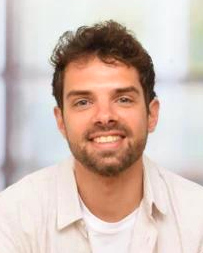
Daan van Soest, PhD
Netherlands Cancer Institute (NKI), Amsterdam, The Netherlands
Does mitochondrial ROS really damage nuclear DNA, or have we been overestimating its reach?
In this webinar, Daan van Soest shared with us his findings revisiting a long-standing biological question in the redox field, Can mitochondrial hydrogen peroxide (H2O2) diffuse to the nucleus and cause mutagenesis through DNA damage? By targeting D-amino acid oxidase (DAO) to either the nucleus or the outer mitochondrial membrane, Dan and his group targeted H2O2 generation and compared local versus distal ROS effects on DNA damage. Surprisingly, even elevated mitochondrial H₂O₂ production failed to induce oxidation of the nuclear-targeted HyPer7 sensor or to detect DNA damage or mutations. In contrast, nuclear H2O2 production via targeted-DAO rapidly triggered p53-dependent cell cycle arrest and senescence. These findings support the idea that intracellular antioxidant systems effectively buffer mitochondrial ROS, preventing its diffusion to the nucleus. Furthermore, Dan and his group challenged another long-assumed view of ROS-induced mutagenesis. By doing whole-genome sequencing of cells exposed to nuclear H₂O₂, they revealed a broad spectrum of mutations, beyond the expected C→A (8-oxo-G) transitions. Here, they also found C→T and T→C changes, which are consistent with broader oxidative base damage. Taken together, these results suggest a wider ROS signature in DNA. This work partially redefines our understanding of ROS compartmentalization in the cell and invites reassessment of how oxidative stress contributes to DNA damage and genome instability.
Remember that you can also watch recordings of the webinars through the SFRR-E intranet!
Want to know more about what we do? You’ll find all the info about the ECR Subcommittee on the SFRR-E website.
For regular updates, follow us on Instagram (@sfrr_ecr), Bluesky (@sfrre-ecr.bsky.social) Twitter/X (@SFRR_Europe), and LinkedIn (SFRR-E).
Got a question, idea, or just want to say hi? Drop us an email at
– The ECR Subcommittee Team
Upcoming Events You Won’t Want to Miss:
SFRR-E Annual Meeting
Redox Biology, environmental exposures and lifestyle
- Mainz, Germany | 3–5 June 2026
- Early registration deadline: 7 April
- More info
Gordon Research Seminar (GRS) Thiol-Based Redox Regulation and Signaling
Molecular Mechanisms and Therapeutic Innovation in Redox Signaling
- Castelldefels, Spain | 11–12 July 2026
- Speaker abstract deadline: 5 April | Registration deadline: 13 June
- More info
Gordon Research Conference (GRC) Thiol-Based Redox Regulation and Signaling
Bridging Redox Chemistry to Biology, Aging and Disease
- Castelldefels, Spain | 12–17 July 2026
- Registration deadline: 14 June
- More info
The Society for Redox Research Australasia & International Human Peroxidase Joint Meeting
- Christchurch, New Zealand | 2–4 September 2026
- Abstract deadline: 24 June | Early registration deadline: 17 July
- More info
17th International Conference on Reactive Oxygen and Nitrogen Species in Plants
- Granada, Spain | 9–11 September 2026
- Abstract deadline: 2 May | Registration deadline: 30 June
- More info
Spetses Redox Summer School. FEBS Advanced Course
Redox signaling in the physiopathology of the human body
- Spetses, Greece | 28 September - 4 October 2026
- More info
Biochemical Society: Redox – The Good, The Bad and The Unexpected
- Cambridge, UK | 16-18 November 2026
- Abstract deadline: More info soon | Early registration deadline: 16 August
- More info
23rd Biennial Meeting of SFRR International 2027
- Redox Frontiers 2027: Expanding Horizons with New Concepts and Technologies
- Sendai, Japan | 28–31 March 2027
- More information coming soon
- More info
Redox-regulated Metabolism & Cell Death
- Seoul, Korea | 1–3 April 2027
- More information coming soon
- More info
 Redox Reads Worth Your Time:
 Research Articles
Guerra, L., Grusdat, M., Kobayashi, T., et al. Glutathione is critical for NK cell-mediated immunity. Cell Rep (2026). https://doi.org/10.1016/j.celrep.2026.116986
Maimaiti, S., Dagnell, M., Coppo, L., et al. Thioredoxin 1 Suppresses TXNIP-Driven Control of Glucose Metabolism in Human Cells. Antioxid Redox Signal (2026). https://doi.org/10.1177/15230864261421616
Kanavos, I., Nakahata, D.H., Barrett, M.S., et al. What lies beyond thioredoxin reductase? Cyclometallated gold compounds reveal Sec selectivity in glutathione peroxidases. Free Radic Biol Med (2026). https://doi.org/10.1016/j.freeradbiomed.2026.02.007
Konrad, B., Bluemel, G., Haitzmann, T., et al. A shift in the cellular redox state redirects aspartate for export under glucose deprivation. Cancer Metab (2026). https://doi.org/10.1186/s40170-026-00420-x
Zimmermann, J., Lang, L., Malo Pueyo, J. et al. Hetero-oligomerization drives structural plasticity of eukaryotic peroxiredoxins. Nat Chem Biol 22, 580–592 (2026). https://doi.org/10.1038/s41589-026-02157-6
Lang, L., Leiskau, L., Bambach, L., et al. H2S Is a Potential Universal Reducing Agent for Prx6-Type Peroxiredoxins. Adv Sci (2026). https://doi.org/10.1002/advs.202507214
Skafar, V., de Souza, I., Ghosh, B. et al. Riboflavin metabolism shapes FSP1-driven ferroptosis resistance. Nat Cell Biol (2026). https://doi.org/10.1038/s41556-025-01856-x
Deol, K.K., Harris, C.A., Tomlinson, S.J. et al. Vitamin B2 metabolism promotes FSP1 stability to prevent ferroptosis. Nat Struct Mol Biol 33, 525–536 (2026). https://doi.org/10.1038/s41594-026-01759-x
Hecht, F., Zocchi, M., Tuttle, E.T. et al. Catabolism of extracellular glutathione supplies cysteine to support tumours. Nature (2026). https://doi.org/10.1038/s41586-026-10268-2
 Reviews to Think About
Carroll, K.S., Yang, J. Defining and refining the cysteine redoxome through sulfur chemical biology. Nat Chem Biol 22, 525–539 (2026). https://doi.org/10.1038/s41589-026-02145-w
Li, J., Huang, C., Tang, P. et al. The distinct roles of ROS in tumor immunity: from mechanisms to immunotherapeutic applications. J Hematol Oncol 19, 16 (2026). https://doi.org/10.1186/s13045-026-01780-z
Sheetz, J.B., Chandrasekhar, S. & Rapé, M. Function and regulation of the mitochondrial stress response. Nat Struct Mol Biol 33, 382–393 (2026). https://doi.org/10.1038/s41594-026-01769-9
Akaike, T., Alvarez, B., Banerjee, R. et al. Frontiers of redox biology. Nat Chem Biol (2026). https://doi.org/10.1038/s41589-026-02178-1
Paidlewar, M., Kumari, S., Dhapola, R. et al. PANoptosis in Alzheimer's disease: The expanding landscape of programmed cell death mechanisms and therapeutic interventions. Free Radic Biol Med (2026). https://doi.org/10.1016/j.freeradbiomed.2026.03.053
Nagy, P., Dóka, É., Domán, A. et al. Multifaceted roles for persulfide species in redox chemical biology. Nat Chem Biol 22, 540–555 (2026). https://doi.org/10.1038/s41589-026-02142-z
 New Protocols
Cavalcante, G.C. & Kowaltowski, A.J. An Open-Source Code to Analyze Mitochondrial Intracellular Distribution from Fluorescence Microscopy Image. Biosci Rep (2026). https://doi.org/10.1042/BSR20260140
Vorland, C.J., Golzarri-Arroyo, L. & Allison, D.B. A brief guide to statistical analysis of grouped data in preclinical research. Nat Metab 7, 1301–1304 (2025). https://doi.org/10.1038/s42255-025-01323-9
Niemeier, J.O., Barreto, P., Morgan, B. In Vivo Monitoring of Energy Metabolism with Genetically Encoded Fluorescent Biosensors. Annu Rev Plant Biol (2026). https://doi.org/10.1146/annurev-arplant-071425-085632
 Preprints We’re Watching
Cobley, J.C. & Nikolaidis, M.G. A Mathematical Theory of Redox Biology. ArXiv (2026). https://doi.org/10.48550/arXiv.2602.08897
Sultana, S., Tawiah, P.O., Jackson, C., et al. A newly identified detoxification system protects uropathogenic Escherichia coli from reactive chlorine species. BioRxiv (2026). https://doi.org/10.64898/2026.03.12.711259
Halldorsdottir, S.T., Ulfig, A., Pétursson, S. et al. Loss of KMT2D accelerates hypertrophic chondrocyte differentiation and senescence by increasing mitochondrial ROS production. BioRxiv (2026). https://doi.org/10.64898/2026.03.18.712470
Gutiérrez-Preciado, A., Struillou, A., Liang, L., et al. Redox distribution of Asgard archaea and co-occurring taxa in microbial mats from an early Proterozoic ecosystem analog. BioRxiv (2026). https://doi.org/10.64898/2026.03.20.713109
 Redox Jobs Board:
Got a position open for a PhD student, postdoc, or technician in redox research?
Want to feature it in our next newsletter? Send us the details at
- Type of position (PhD student, Postdoc, etc)
- Research topic
- Institute or university
- Deadline
- Contact info
- Additional details or link