 Kicking off the SFRR-E ECR Webinar Series – 1st September!
The SFRR-E ECR webinar series Emerging Leaders in Redox Biology is back! 
Join us on 1st September 2026 at 15:00 CET as we launch a new season showcasing the research and perspectives of early career scientists driving innovation in redox biology.
Our first webinar will focus on "Redox in hypoxia" and will feature two outstanding speakers: Taylor Covington and Christopher Switzer.
 Webinar at a Glance
 Date: 1st September 2026
 Time: 15:00 CET
 Topic: Redox in hypoxia
 Speakers: Taylor Covington (Harvard Medical School, USA) & Christopher Switzer (University of Leicester, UK)
 Format: Online
Meet the Speakers
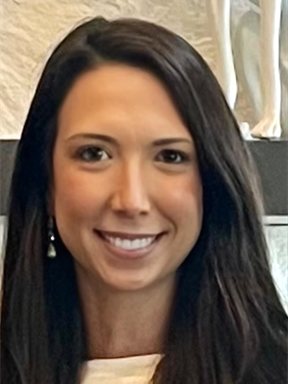 Redox regulation of cardiac development
Taylor Covington, MSc
Harvard Biological and Biomedical Sciences PhD Program, Harvard Medical School, Boston, USA
Taylor Covington is a PhD candidate at Harvard University studying how redox signalling regulates cardiac development and cardiomyocyte maturation. Her research investigates how physiological changes in hydrogen peroxide and cysteine oxidation across the perinatal period influence developmental signalling, metabolism, and cardiac cell fate.
Her work combines redox proteomics, stem cell-derived cardiomyocyte models, and in vivo genetic approaches to identify redox-sensitive pathways that coordinate the transition from fetal to postnatal cardiac physiology. More broadly, her research aims to define how developmental redox signals shape cardiac maturation and how disruption of these processes may contribute to cardiovascular disease.
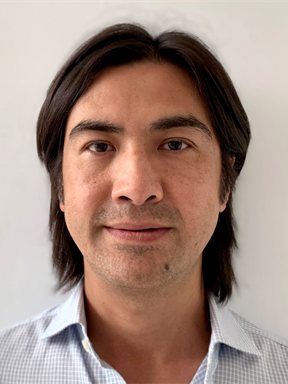 Reactive Sulfur Species and Hypoxia Across Biology
Christopher Switzer, PhD
Division of Molecular and Cell Biology, School of Biological and Biomedical Sciences, College of Life Sciences, University of Leicester, Leicester, UK
Christopher Switzer is a Lecturer in Molecular and Cell Biology at the University of Leicester. Trained as a chemist, his research applies the principles of chemical reactivity and molecular orbital theory to address fundamental questions in cell biology, disease, and evolution.
His laboratory focuses on reactive sulfur species, hypoxia, and redox signalling, combining chemical biology, analytical chemistry, and molecular biology to uncover how sulfur-based molecules control cellular function. His current work spans cancer biology, microbial metabolism, and the origins of biological redox chemistry, with a particular emphasis on challenging conventional assumptions about oxidative stress and identifying the chemical mechanisms that drive physiology and disease.
Subscribe to the SFRR-E ECR Webinar Calendar
Never miss a webinar again.
Add our dedicated calendar once and all current and future SFRR-E ECR webinars will automatically appear in your calendar, complete with joining links and event information.

 Follow the ECR Community
Want to learn more about the ECR Subcommittee and our activities?
Follow us on:
- Instagram: @sfrr_ecr
- Bluesky: @sfrre-ecr.bsky.social
- X: @SFRR_Europe
- LinkedIn: SFRR-E
 Questions, suggestions, or ideas?
Get in touch at ecr@sfrr-europe.org. We'd love to hear from you.
– The ECR Subcommittee Team